Are you planning to move to Australia in 2026? You are entering the market at a critical turning point. The Australian government has shifted its focus away from “general” independent migration and is now prioritizing employer-sponsored visas.
This means securing a job offer before you migrate (or while on a temporary visa) is more valuable than ever.
This guide covers the new 2026 regulations, the “Skills in Demand” visa, and the exact steps you need to take to secure a role in the Australian job market.
1. The “Game Changer”: The New Skills in Demand (SID) Visa
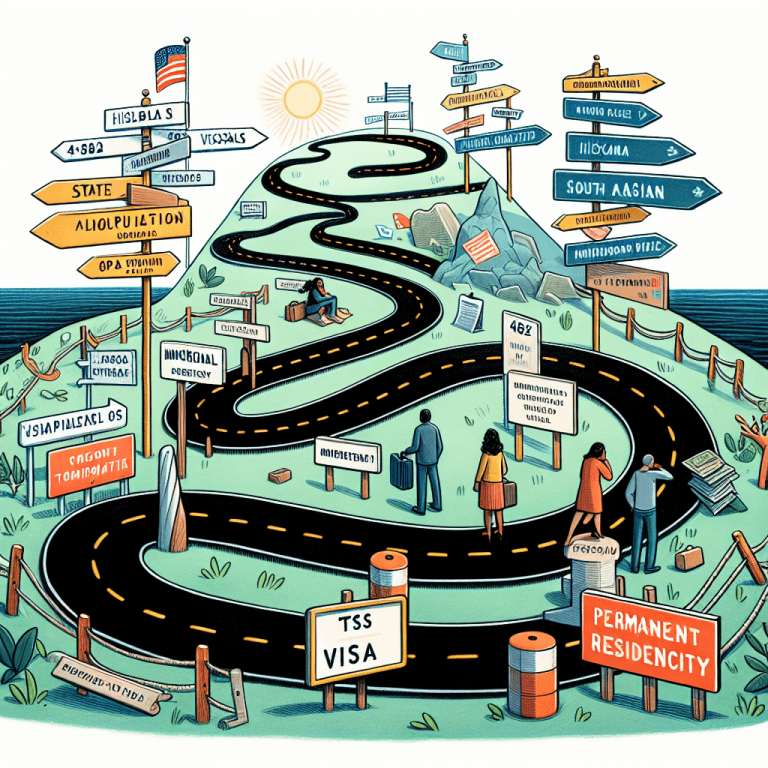
The most important update for 2026 is the replacement of the old Temporary Skill Shortage (TSS) visa with the Skills in Demand (SID) visa. If you are looking for sponsorship, this is likely the visa you will be on.
It is designed to be faster and simpler. There are three main streams you must know:
- Tier 1: Specialist Skills Pathway
- Who it’s for: Highly skilled professionals (excluding trades/laborers) earning at least $135,000 AUD (indexed annually).
- The Benefit: No occupation lists. If you find an employer willing to pay this salary, you can get a visa processed in roughly 7 days.
- Tier 2: Core Skills Pathway
- Who it’s for: Most skilled migrants (Engineers, IT, Teachers, Nurses).
- The Requirement: Your job must be on the Core Skills Occupation List (CSOL) and pay between $73,150 and $135,000 AUD.
- Tier 3: Essential Skills Pathway
- Who it’s for: Critical workers earning under $73,150, specifically in sectors like Aged Care and Disability Support.
Major Win for 2026 Applicants:
The work experience requirement has been reduced. Previously, you needed 2 years of experience to qualify for sponsorship. Now, you only need 1 year of full-time post-qualification experience.
2. Top In-Demand Industries for 2026
Australia is facing a “skills gap” in specific sectors. Targeting these industries increases your chances of finding a sponsor.
🏥 Healthcare & Social Assistance
- Roles: Registered Nurses, Aged Care Workers, Occupational Therapists, GPs.
- Trend: With an aging population, this is the #1 sector for recruitment.
💻 Technology & Cyber Security
- Roles: Software Engineers, Cybersecurity Analysts, Cloud Architects, AI Specialists.
- Trend: The “Tech Council of Australia” aims to reach 1.2 million tech jobs by 2030.
🏗️ Construction & Engineering
- Roles: Civil Engineers, Project Managers, Quantity Surveyors, Electricians, Carpenters.
- Trend: Australia has a massive infrastructure pipeline (roads, rail, Olympics prep in Brisbane) requiring skilled labor.
⚡ Green Energy & Mining
- Roles: Environmental Scientists, Renewable Energy Engineers, Geologists.
- Trend: The transition to net-zero is creating thousands of new roles in regional Australia.
3. Writing an Australian-Style Resume (CV)
A common mistake skilled migrants make is using a European, American, or Asian resume format. Australian recruiters prefer a specific style.
- Length: 3 to 4 pages is standard for experienced professionals (do not compress it into 1 page).
- No Photos: Do not include a headshot. It is considered a bias risk.
- No Personal Info: Remove your age, marital status, religion, and full address.
- The “STAR” Method: When describing your past roles, don’t just list duties. List Achievements.
- Bad: “Responsible for sales.”
- Good: “Increased regional sales by 20% in 12 months by implementing a new CRM system (S.T.A.R – Situation, Task, Action, Result).”
- Local Terminology: Change “inventory” to “stock,” “GPA” to “grades,” and ensure your spelling is UK/Australian English (e.g., Specialise not Specialize).
4. Step-by-Step Job Search Strategy
Step 1: The “Hidden” Job Market
Only about 40% of jobs are advertised on major boards. The rest are filled through networks.
- Action: Identify 20 companies you want to work for. Go to their “Careers” page directly and register your interest, even if no jobs are listed.
Step 2: Optimize Your LinkedIn
Recruiters use LinkedIn to hunt for talent.
- Set your location to “Australia” (or “Open to work in Australia”) so you appear in local searches.
- Use the “Open to Work” green banner.
- Request recommendations from former colleagues to build trust.
Step 3: Use the Right Job Boards
- SEEK.com.au: The biggest job board in Australia.
- LinkedIn Jobs: Best for corporate/white-collar roles.
- Workforce Australia: The government official job board.
- EthicalJobs.com.au: Great for non-profits and community sectors.
5. Tips and Tricks for Success in 2026
- Consider “Regional” Areas: Big cities (Sydney, Melbourne) are competitive. Regional areas (like Adelaide, Perth, Gold Coast, or regional NSW/Victoria) often have Designated Area Migration Agreements (DAMAs). These agreements allow employers to sponsor migrants more easily, sometimes with age or English concessions.
- Get Your Skills Assessed Early: Before applying, ensure you have a positive Skills Assessment from the relevant Australian authority (e.g., ACS for IT, Engineers Australia for Engineers). You often cannot get a visa without it.
- Australian Phone Number: If possible, get a VoIP Australian number (e.g., via Skype or Zoom) so you can put a local +61 number on your CV. It shows you are serious and easy to contact.
- Be Ready for the “Local Experience” Question: Recruiters often ask, “Do you have local experience?”
- Your Answer: “While I haven’t worked in Australia yet, my experience in [Country] utilized the same global standards (like ISO or Agile), and I have researched Australian regulations [mention one specific regulation] to ensure I hit the ground running.”
Summary Checklist for 2026
1. Apply: Focus on employer-sponsored roles under the new SID visa streams.
2. Check the CSOL: Is your job on the 2026 Core Skills Occupation List?
3. Update Resume: Convert to Australian format (3-4 pages, no photo).
4. Skills Assessment: Start the application (can take 3+ months).
5. English Test: Ensure your IELTS/PTE is valid and competitive (Superior English = 20 points).